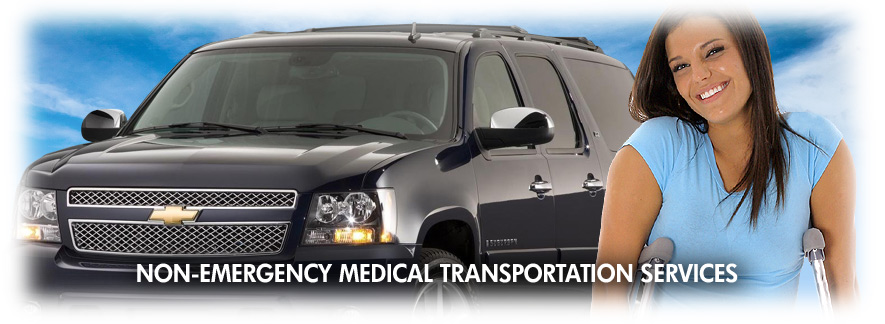
Private Medical Transport and the Non-Emergency Ride
A medical transport must include good care for the ride. A non-emergency transport will be appreciated when a trained professional is on board to ensure a safe ride. This leads to confidence and good care. This transportation is a vital lifeline for anyone in need of medical transportation.
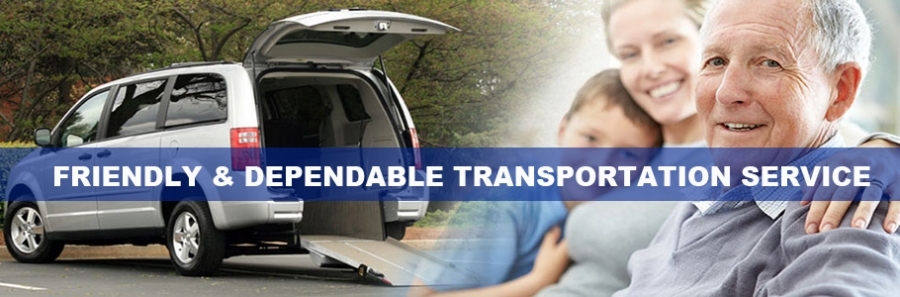
Don’t Delay Medical Care
There are millions of individuals who avoid and delay their needed medical care due to lack-of-transportation to necessary medical appointments. Don’t delay your own medical care. Medical transport is available and good care is provided. Your health may depend on transportation from highly qualified professionals. Reliable transport with a courteous professional will ensure that you get to your needed medial appointments in a timely and safe manner. Don’t delay medical care. There is transportation available to get you to every appointment. Your health may depend on reliable transportation from professional who provide good care with the ride.
Who Could Use Medical Transport?
There is an increasing need for medical transport. Reliable and consistent medical transportation will assist those who are receiving medical care and treatment. This will include the following samples. Those who could use this type of transportation include:
- Those receiving kidney dialysis
- Transport to a doctor appointment
- Transport for a cancer treatment
- Transport for physical therapy
- Transport to dental appointments
- Hospital checkout
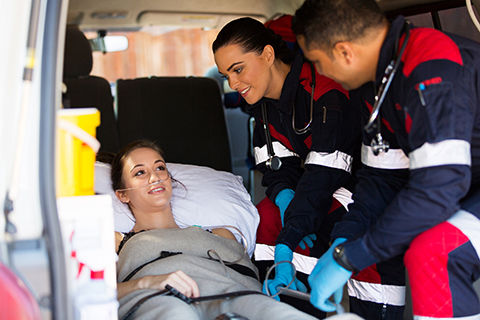
These are only the beginning of the very long list of reasons and the individuals who could greatly benefit from medical transport. Who could use this type of transportation and service? The answer is simple. Those people who have medical needs and need reliable transportation to get there and back home.
Every Patient is a Top Priority
Every patient in need of medical transport will be made a top priority by the trained medical staff. The staff is trained and have the ability to provide every patient with good care in every way. Patients are the top priority. Each patient can expect the following:
- Comfort
- Safety
- Peace of mind
- Innovation and up-to-date equipment
- A reliable ride
- A cost effective solution
- Trained professionals that will accompany each patient
- A well-maintained vehicle
Each and every patient is indeed the top priority. Medical transport and good care are a combination that is offered to every person in medical need.